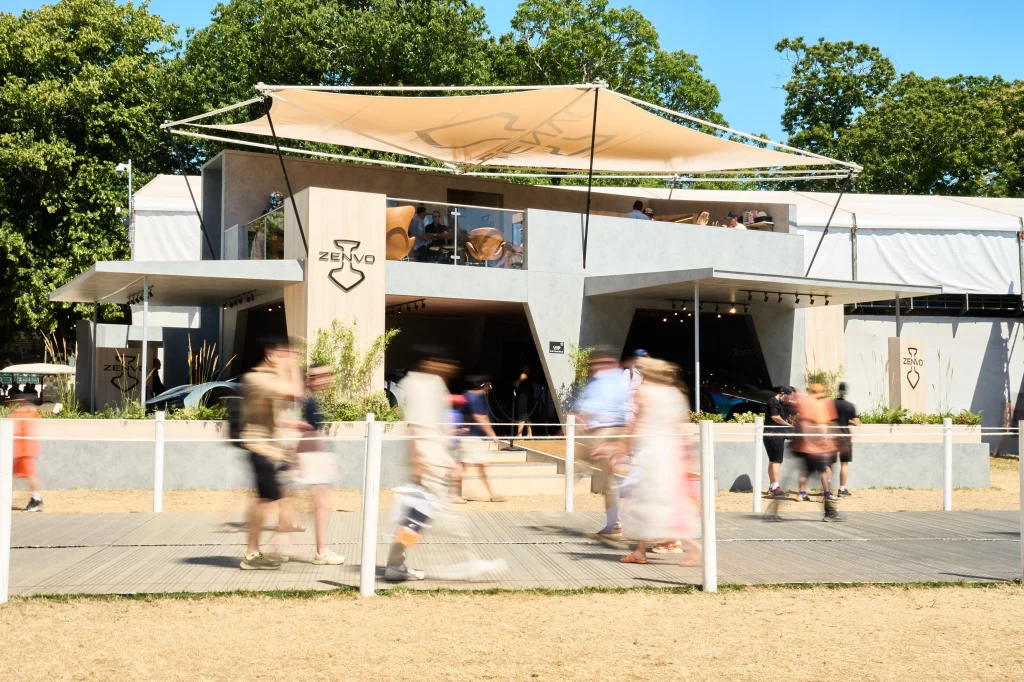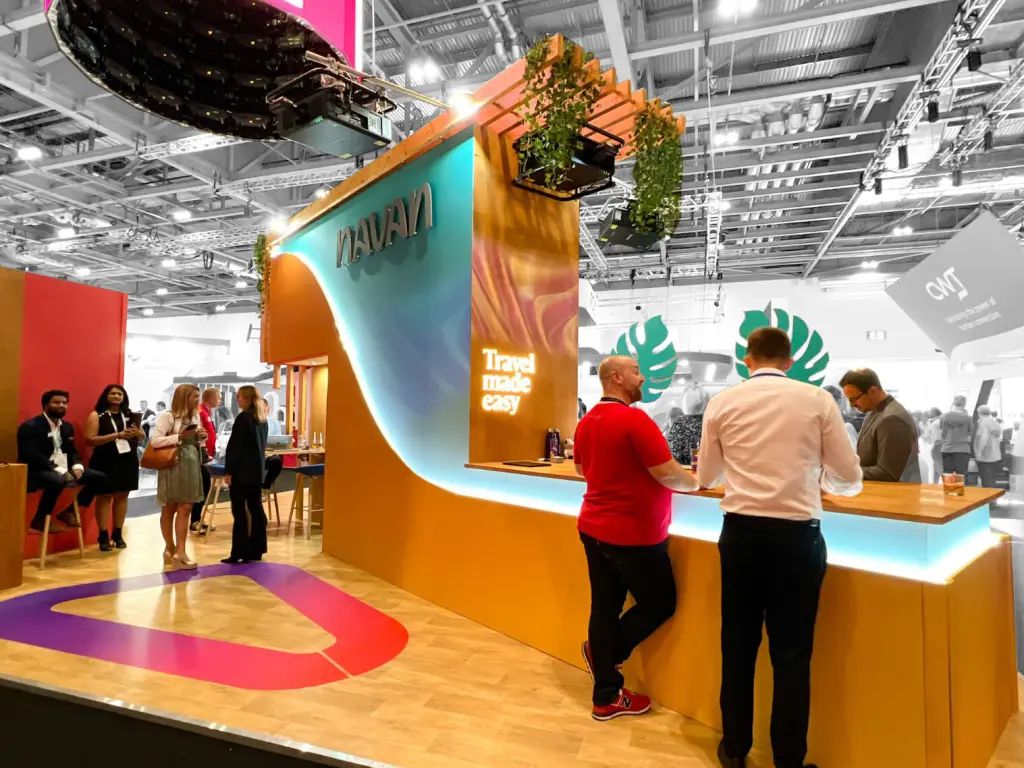

5 Top Tips for Exhibition Success

This site uses third party services that need your consent.
Categories
In short: there are four main types of exhibition stand. Shell scheme is the organiser's ready-built booth that you dress yourself. Modular uses a reusable frame that reconfigures from show to show. Custom is designed and built to your brief and footprint. Portable and pop-up kit is light enough to carry in a car. The right one depends less on budget than on how often you exhibit and what the stand needs to do.
UK exhibitions are busier than they have been for a decade. Research from the Events Industry Alliance published in August 2026 found that 1,154 exhibitions ran in the UK in 2025, drawing almost 6.8 million visitors and 139,000 exhibitors and supporting £11.7 billion of economic output. The number of shows was the highest since 2015.
A busier floor makes the choice of stand type more consequential. It sets your budget and your lead time, decides how much freedom the design has, and determines how your stand looks next to the hundred or so others at an average show. Most exhibitors choose on price alone, then discover the format also decided what was possible.
This guide compares the four main formats in pounds, with the practical detail that rarely makes it into a price list: what the organiser actually gives you, what you are allowed to do to it, and what each format means for your next show as well as this one.
Almost every stand on a UK show floor is one of four formats, or a mix of them.
Shell scheme stands: a pre-built booth supplied by the organiser as part of your floor space package. Walls, a fascia name board, carpet and basic lighting are there when you arrive, and you add everything else.
Modular exhibition stands: a reusable framework, usually aluminium dressed with tension fabric graphics, that reconfigures for different stand sizes and shows. It can be owned or hired.
Custom-built stands: designed and fabricated for your brand and your floor space, with freedom over shape, height, materials and layout.
Portable and pop-up stands: roller banners, pop-up fabric displays and folding counters that one or two people can carry and put up.
Plenty of stands blur the lines. A dressed shell scheme often uses modular framing inside it, and many custom stands are now built on a reusable structure. The label matters less than what you are actually buying.
Shell scheme is the most common way into exhibiting. You book a pitch from the organiser, and their official contractor builds a booth on it before you arrive: aluminium uprights with infill wall panels, a fascia board carrying your company name, carpet and lighting. Packages typically include a couple of spotlights and a power socket, though what is included varies by show.
The details are more standardised than most people realise. On the Octanorm system used across most UK venues, each wall panel shows a visible area of about 950mm by 2340mm on 1m centres, and the overall height is around 2.5m. Sizes vary slightly between contractors, so your exhibitor manual will include a specification sheet. Graphics should be made to that sheet, not to a tape measure on the day. We print and fit shell scheme graphics in-house through our graphics and print workshop.
Shell scheme comes with rules that catch first-timers out. You cannot drill, screw, nail, pin or paint the panels. Graphics go up with Velcro or double-sided tape, and damage is charged back. Shell scheme exhibitors also tend to get the shortest access during build-up, sometimes a single evening, because the structure is built after the space only stands go in.
The fascia and the bare white walls are what make shell scheme look like shell scheme. Covering the panels with seamless graphics, adding proper lighting and a counter, and in some cases asking the organiser to leave the fascia off, is what turns it into a stand. We design, print and install shell scheme stands in-house.
Shell scheme packages suit first time exhibitors and anyone testing a new show before committing to a larger space. Packages from the organiser typically run £200 to £600 per square metre, which means a standard 3m x 3m pitch will cost between £1,800 and £5,400 for the structural space alone. When dressed properly with high quality seamless graphics, upgraded lighting, furniture hire and data connections, you should plan to spend roughly double the raw floor cost. This brings the realistic "all in" total budget for a 3m x 3m presence to £3,600 on the lower end, up to £11,000 on the higher.
The limits are the format itself. You cannot go higher than the frame, the walls are where the organiser put them, and your neighbours are in identical boxes either side. A stand that looks like the other twenty in the row has to work much harder to be noticed.
Key considerations for shell scheme stands:
Cost: the lowest entry point of the built formats
Setup: the structure is built for you, and your dressing time on site is short
Flexibility: limited, with fixed walls, a fixed height and rules on what you can attach
Reusability: graphics, counters and furniture can go to the next show if they are made to standard panel sizes
Best for: first-time exhibitors, testing a show and smaller budgets
A modular stand is built from a reusable framework, usually aluminium extrusion, dressed with tension fabric graphics that stretch into the frame. The same kit can be set up as a 3m x 3m back wall at a regional show and a larger open-sided stand at a national one, with new graphics or a new layout each time.
The growth in modular is being driven as much by organisers as by exhibitors. Better Stands, the reusability framework now being written into stand build regulations at a growing number of shows, grades space only stands on how much of the build is reused. A modular system reaches the higher levels far more easily than a one-off timber build. Our stand for Business Pilot at FIT Show earned a Gold award for sustainability. Modular does not have to mean plain, either: our Harry Potter themed stand for Warner Bros at ExCeL was built on a modular system.
The case for modular is cost per show. The structure is bought or built once and then reused, so the second and third outings cost a fraction of the first: transport, installation and new graphics where needed. Fabric graphics pack small, which cuts transport, and a well-designed system goes up quickly with a small crew.
The trade-off is structural. Modular systems are excellent at straight walls, clean geometry, lightboxes and integrated screens. They are more limited on very large spans, unusual shapes and some of the more ambitious features a fully custom build can carry. Storage between shows is also a real cost and belongs in any comparison.
We build modular stands for clients including ASICS at the NEC and Urban Lockers at Olympia. Our modular exhibition stands start from £10,000.
Key considerations for modular stands:
Cost: from £10,000 with us, with each reuse costing a fraction of the first build
Setup: quicker than custom, but still a professional install with a crew, and stand plans and RAMS for space only
Flexibility: high, reconfiguring across stand sizes and layouts
Reusability: designed for it, with graphics refreshed as needed
Best for: companies exhibiting several times a year, or at several stand sizes
A custom stand is designed for one brand and one brief. There are no system limits: curves, double-height features, meeting rooms, bars, displays built around the product, and materials including timber, glass, metal and GRP. It is the format for stands that need to be a place rather than a backdrop, like the drinks bar we built into MSC's stand at the NEC, or the double-deck stand we built for Vaillant at InstallerSHOW, with planting and a water feature at the foot of the staircase.
That freedom has consequences beyond price. Anything over 4m is normally a complex structure, which means structural calculations and engineer sign-off. Design takes longer, approvals take longer, and the stand still has to be built, finished and checked inside a short build-up window. Our guide to space only stand regulations covers the approvals in detail.
The old assumption that custom means disposable no longer has to hold. We design custom stands for reuse wherever we can, with a bespoke finish on a structure built to come apart, be stored and go back up. That changes the cost per show considerably.
Our custom exhibition stands range from £25,000 to £500,000 or more depending on size and complexity, with double-deck builds starting from around £200,000.
Key considerations for custom-built stands:
Cost: £25,000 to £500,000+ depending on size, height and complexity
Lead time: two to six months from brief, and four to twelve months for a double-deck
Reusability: good if designed for it from the start, poor if not
Best for: flagship shows, product launches, complex products and brands that need the stand to do more than display
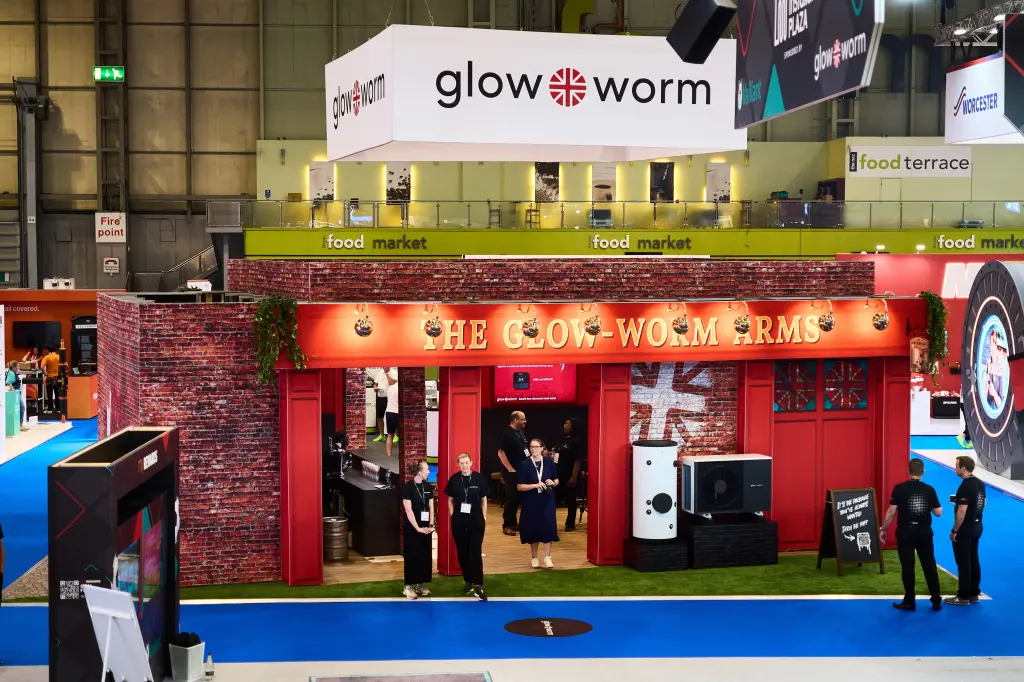
Portable and pop-up stands cover roller banners, pop-up fabric walls, folding counters and lightweight frames. A roller banner, most commonly around 850mm wide by 2m tall, packs into a carry bag and goes up in a minute or two. A pop-up fabric wall takes one or two people a few minutes more.
They have a clear place. They suit hotel conferences, regional events, roadshow stops and networking events where there is no stand as such, and they are useful additions inside a shell scheme. We print them in-house alongside everything else.
They also have limits worth being honest about. At a major show, a pop-up wall on a space only pitch looks thin next to built stands, and the graphics wear quickly with repeated rolling. Fabric graphics still need a fire certificate, and it should cover the printed material rather than the blank fabric, as our guide to fire regulations for exhibition stands explains.
Key considerations for portable stands:
Cost: from a few hundred pounds for a roller banner to the low thousands for a pop-up wall and counter
Setup: one or two people, a few minutes, no tools
Flexibility: fits almost any venue and most car boots
Best for: smaller events, hotel conferences, roadshows and adding to a shell scheme
Every exhibition comes with three separate bills: floor space from the organiser, the stand from your stand builder, and services from the venue. Comparing stand types only makes sense once all three are in view.
Space only floor space usually runs £180 to £300 per square metre at regional and mid-size shows, £300 to £600 at major national shows, and £800 or more for prime positions at flagship events. Shell scheme packages, which include the structure, typically run £200 to £600 per square metre.
Our stand build costs by type, excluding VAT, floor space and venue services:
Portable or pop-up kit: from a few hundred pounds to the low thousands
Shell scheme dressing: roughly the cost of the organiser's package again, so £1,800 to £5,400 on a 3m x 3m
Modular stand: from £10,000
Custom-built stand: £25,000 to £500,000+
Custom double-deck: £200,000 to £500,000+
For worked budgets at three stand sizes, see our guide to how much an exhibition stand costs.
The build quote is rarely the whole number. Venue services typically add 15% to 30% on top: electrics through the venue's appointed contractor, rigging for anything suspended, stand cleaning, waste removal at breakdown, internet, and dilapidations for any damage to the hall. Orders placed after the published deadline usually carry surcharges of 20% to 25%.
The other cost question is ownership. Two quotes for similar-looking stands can differ by thousands because one is a hire and the other is a purchase. Hire suits exhibitors who show once or twice a year, or who need a different stand each time. Owning a reusable stand, with storage between shows, usually works out cheaper once the same structure is going out a second time. Ask every contractor who owns the stand after the show, and what it costs to use it again.
Price is the comparison everyone makes first. Lead time, reuse and what the format lets you do on the day matter just as much, and they often decide which option is realistic.
Shell scheme. £3,600 to £11,000 all in for a 3m x 3m, including the organiser's package. A lead time of a few weeks, mainly for graphics. The frame belongs to the organiser, but graphics and furniture made to standard sizes can go again. Best for first-time exhibitors and testing a show.
Modular. From £10,000. One to three months from brief. Designed for reuse and reconfiguration across sizes and shows. Best for regular exhibitors.
Custom-built. £25,000 to £500,000+. Two to six months from brief, and longer for a double-deck. Reusable if designed for it from the start. Best for flagship shows, launches and complex products.
Portable and pop-up. A few hundred pounds to the low thousands. Days to produce. Highly reusable, though the graphics wear. Best for small events, roadshows and adding to a shell scheme.
Whichever format you choose, the same few things decide whether it works on the day.
Position. A corner pitch has two open sides and two chances to be walked into. On a small stand it is usually the best-value upgrade available.
An open front. Most visitors arrive from the main aisle. Keep the longest open side clear of counters and walls, put the main message there, and put your staff there rather than behind a desk. Sightline rules limit how much of an open side you can wall in anyway, as our guide to sightline rules explains.
One message. Visitors decide in seconds. A single line readable from the aisle does more than a wall of product detail.
Space for the conversation you want. A stand built for volume and a stand built for private meetings look nothing alike. Decide which you need before the design starts.
There is a lot of unreliable data about what makes a stand stand out. These are the things we see make a real difference in UK halls.
Open layout: keep aisle-facing edges open so visitors can see in and step on without committing to a conversation
Screens built into the design: set flush into walls rather than on stands, with content made for people walking past rather than borrowed from the website
Graphics that read from the aisle: large, short and high on the stand, printed on fabric that is certified after printing
Light: backlit fabric and LED built into shelving and counters hold up far better under hall lighting than front-lit print
Pre-show marketing: book meetings before the show and use the organiser's exhibitor marketing tools, such as invitation codes and email banners, which many provide at no charge
Natural materials: timber, textiles and hired planting soften a stand, provided everything meets the fire standard and the planting goes back to the supplier afterwards
Interactive elements work when they give visitors something to do with your product. They fail when they are a gadget bolted onto a stand that was designed without them.
AR and VR experiences: a 2026 study in Scientific Reports tested VR headsets, AR glasses, holographic projection and mobile AR at three real trade fairs. Each digital exhibition drew 30% to 80% more visitors than the fair's average per exhibitor, with interaction with the content driving engagement. The catch is throughput: one headset serves one person at a time, so plan for the people waiting.
AI-powered activations: chatbots, avatars and AI configurators can engage well, but they depend on connectivity. Hall wifi is shared with thousands of devices, so anything that has to work should run on a wired connection ordered from the venue.
Live demonstrations: still the strongest draw on most stands. Design the space around the demo, with a clear view from the aisle, room for a small crowd that does not block the gangway, and sound that stays within your boundary.
Defined experience zones: separate the attraction at the front, the demonstration in the middle and the meeting space at the back, so each does its own job.
Touchscreen interfaces: configurators and product explorers hold people longest when they are built into a counter or wall and someone is on hand to take the conversation further.
The right stand type is mostly a question of frequency and purpose. Shell scheme suits first shows and tests. Modular suits regular exhibitors who want the cost per show to fall. Custom suits the shows that matter most and the products that need more than a backdrop. Portable kit covers smaller events and the gaps in between.
Most exhibitors end up using more than one, and the best programmes are planned that way: a reusable core for the major shows and lighter kit for everything else. Whichever you choose, measure what it produced, which our guide to measuring exhibition ROI covers.
We design, print, build, install and store in-house across shell scheme, modular and custom. Every project starts with a free 3D design concept, and we quote to your brief rather than a price list. Look through the portfolio, or talk to us about your next show.
Last updated: [DATE]. Costs, panel sizes and stand rules vary by show and venue. Always work from the current exhibitor manual for your event.
How much does an exhibition stand cost in the United Kingdom?
It depends on the format. As a guide, portable and pop-up kit costs from a few hundred pounds, a dressed 3m x 3m shell scheme £3,600 to £11,000 including the organiser's package, a modular stand from £10,000 and a custom stand from £25,000 to £500,000 or more. For modular and custom stands, floor space is billed separately by the organiser, and venue services such as electrics and rigging typically add 15% to 30% on top.
What is the difference between a modular stand and a custom-built stand?
A modular stand is built from a reusable framework, usually aluminium with tension fabric graphics, that reconfigures for different sizes and shows. A custom stand is designed and built for a specific brief, with freedom over shape, height and materials such as timber, glass, metal and GRP. Many stands now combine the two, with a bespoke finish on a structure designed to be reused.
When does it make financial sense to hire rather than buy an exhibition stand?
Hire suits exhibitors who show once or twice a year, or who need a different stand each time. Owning a reusable stand usually becomes cheaper once the same structure is going out a second time, even allowing for storage between shows. Because hire and purchase quotes can look alike, always ask who owns the stand after the show and what it costs to use again.
What interactive elements generate the highest visitor engagement at an exhibition stand?
Live product demonstrations remain the strongest draw on most stands. Immersive technology also performs well: a 2026 study in Scientific Reports found AR and VR exhibits at three trade fairs drew 30% to 80% more visitors than the fairs' average per exhibitor. The best results come when the interaction is built into the stand design and staffed, rather than added as a separate gadget.
How far in advance should an exhibitor plan and commission an exhibition stand?
As a guide, allow one to three months for a modular stand, two to six months for a custom stand, and four to twelve months for a double-deck. Portable kit can be turned around in days. For space only stands, organiser deadlines for stand plans often fall eight to twelve weeks before the show, and venue rigging orders typically close around four weeks before build-up.
Categories
Related insights